Elif Akmanlar
Transparency saves clicks
I worked as a product designer and conducted contextual inquiry, identified design problems, ideated solutions. I built several prototypes with Claude Code by using design system tokens. Lastly I validated the solution with real users who are working as sales engineers.
Tacton
Tacton provides a Configuration, Pricing and Quoting solution. Customers are manufacturers of complex products within a wide range of industries such as machinery, medical equipment, construction.
https://www.tacton.com/




Pain point: Jumping back and forth
Tacton decided to expand its product offering and started to build a specific tool that will be used in the pump manufacturing industry. My goal as a designer was to assure that we are not only copying an existing solution, but also going above and beyond. Therefore I sat down with several users while they were using their current tool, Intelliquip. After observing their current workflow with the existing tool, I identified several problem points and prototyped solutions. Lastly I validated the solutions with the users. This is an problem-solution example that address extra clicks due to lack of transparency.
Problematic workflow
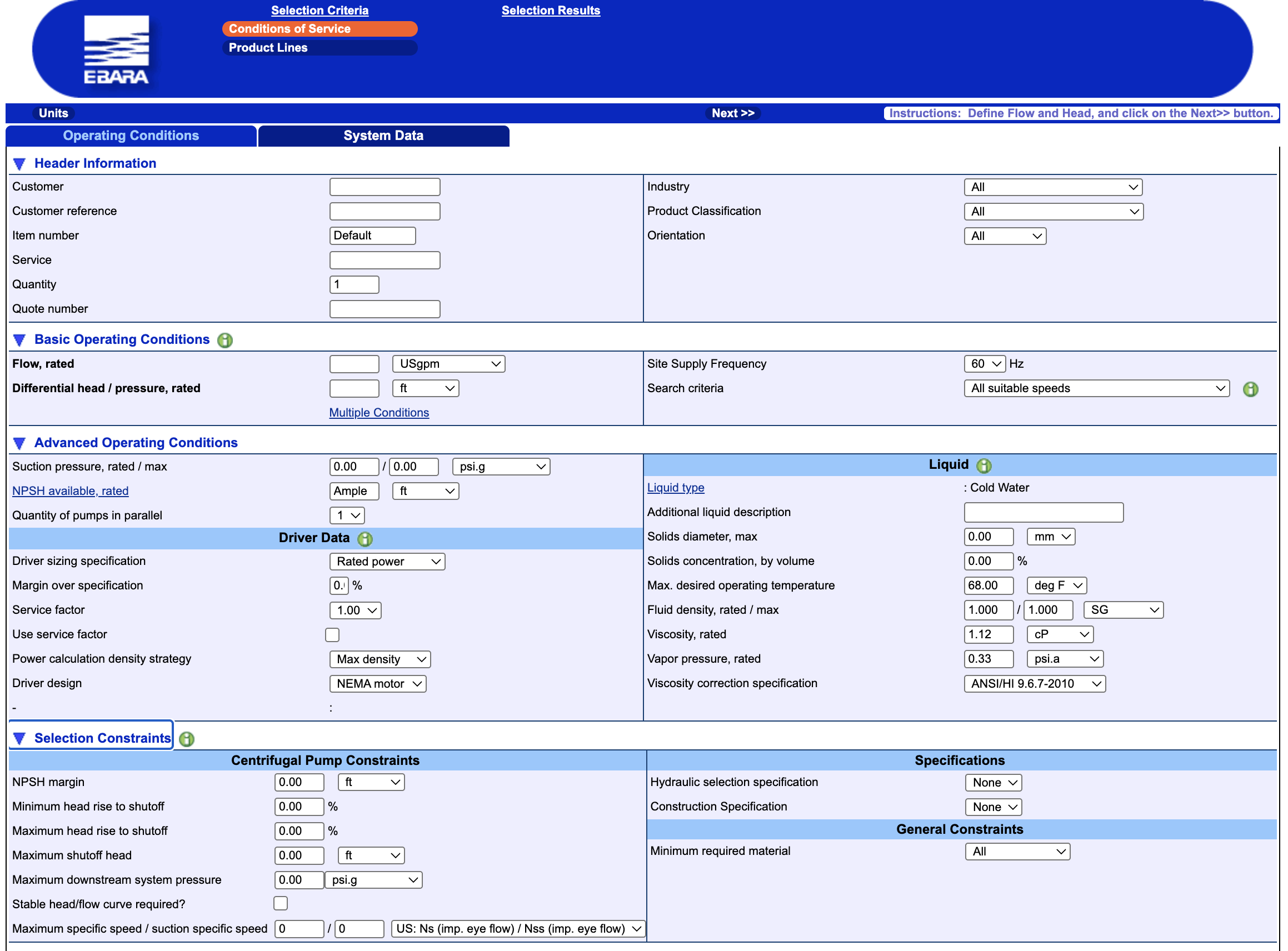
- Users start by filling in requirements — parameters like flow rate, pressure, temperature range, and fluid type.
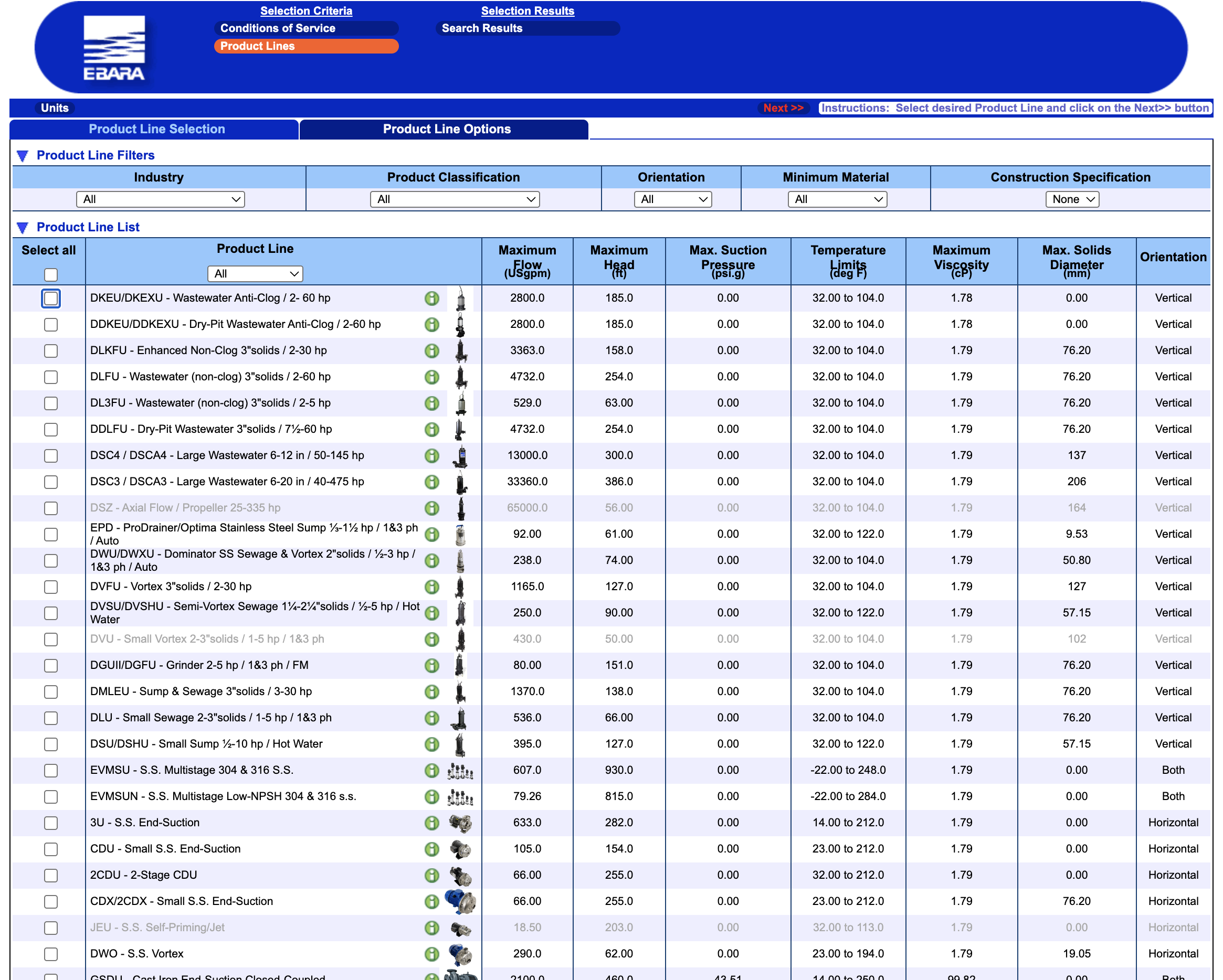
- Based on those requirements, they selected a product line, narrowing the catalogue to a relevant pump category.
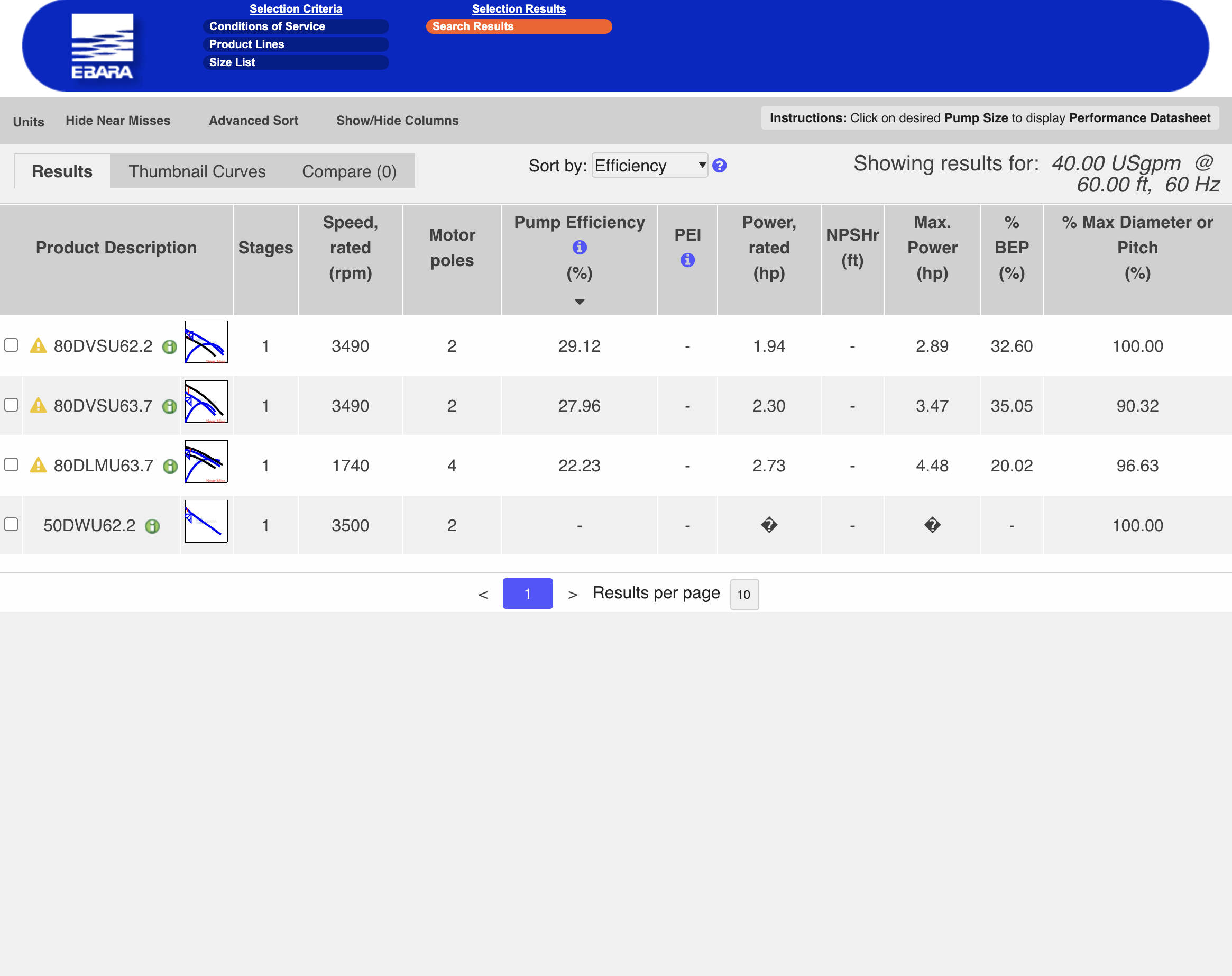
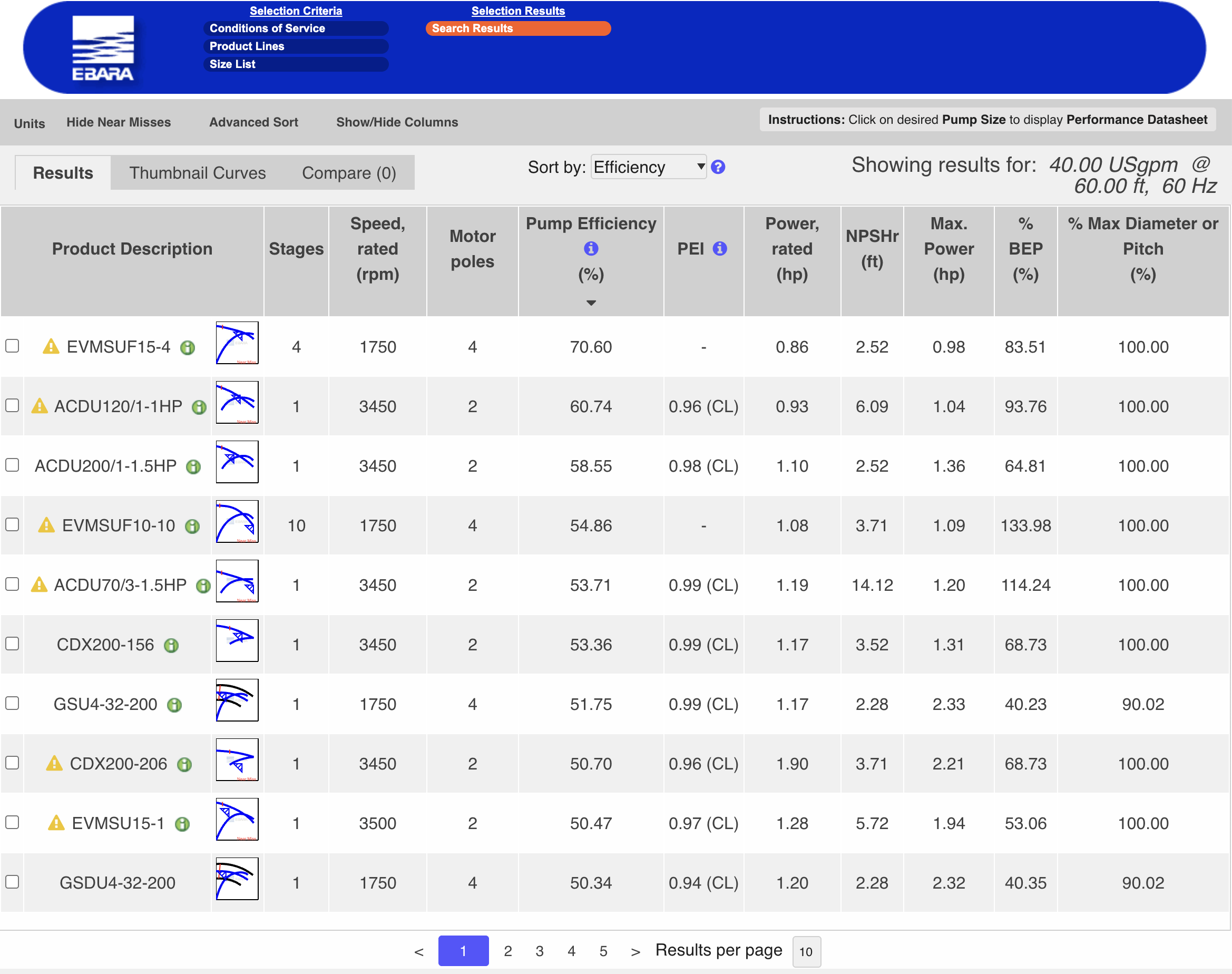
- The configurator generated a shortlist of matching pump models for comparison and selection.
- If the result set was too large, users could add constraints; if too small, they could relax them — iterating until the selection felt right.
Problematic workflow UI
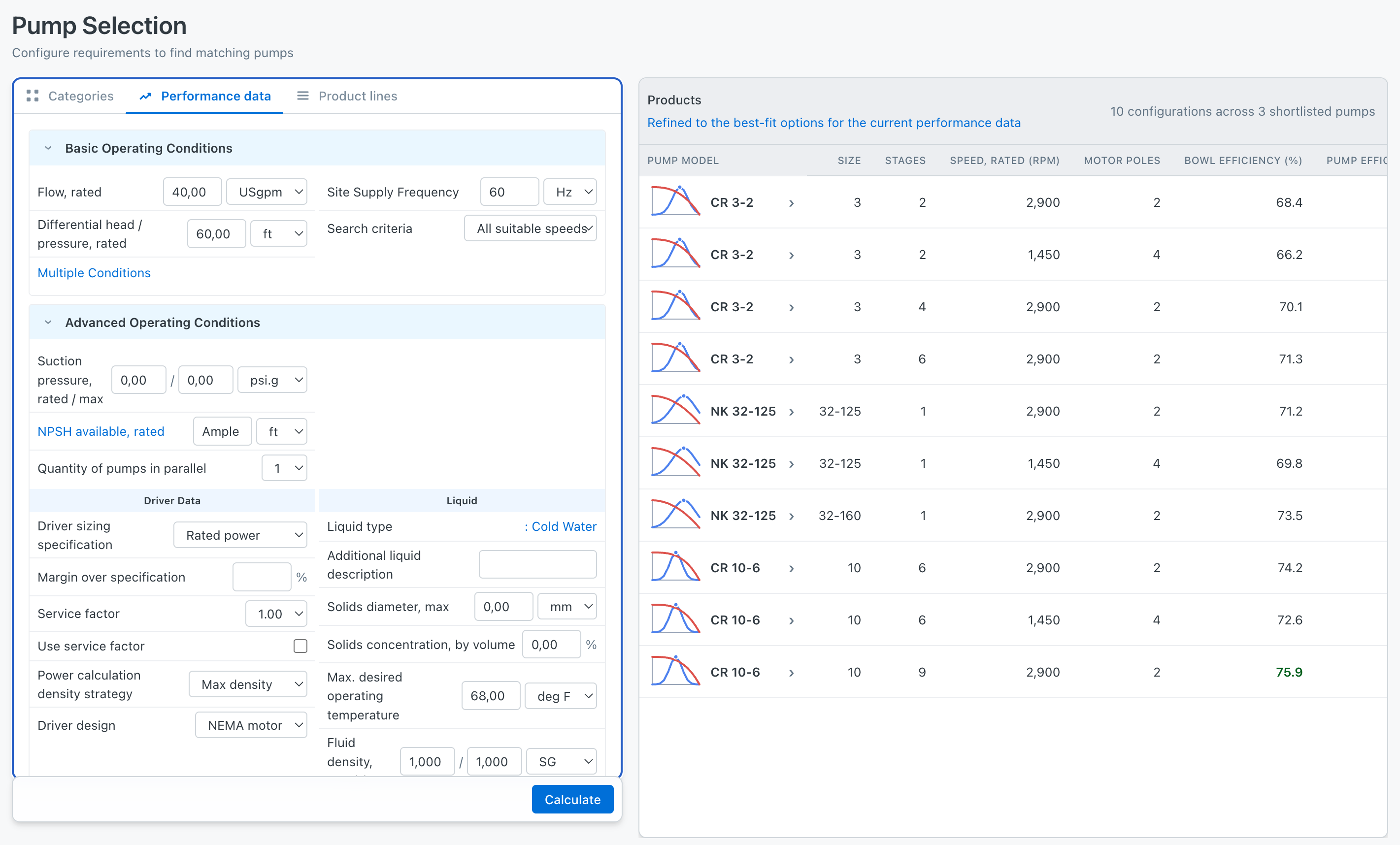
This is the first step. Users start by filling in requirements: parameters like flow rate, pressure, temperature range, and fluid type.
Solution
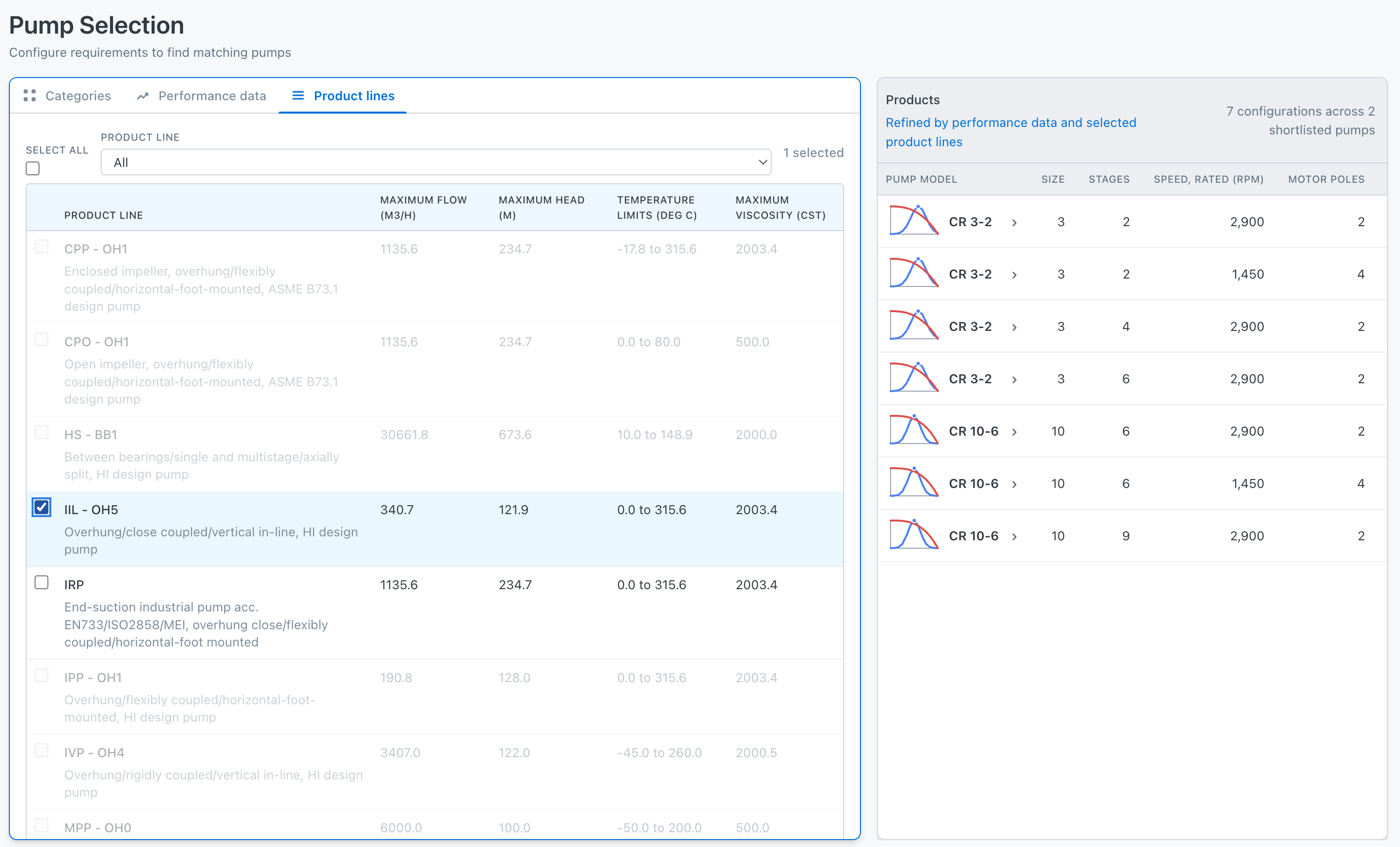
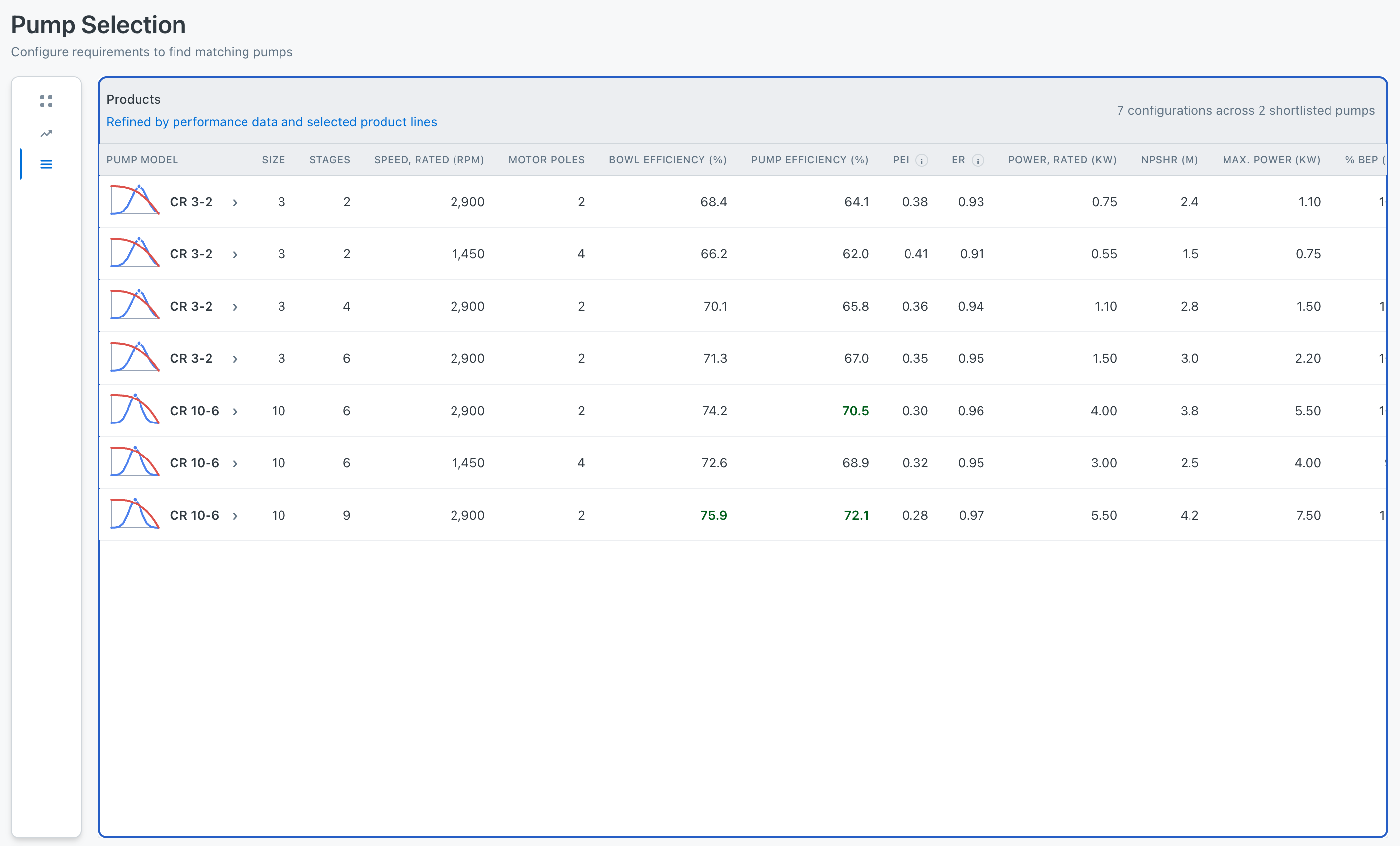
Requirements and the list of results are displayed simultaneously. This way, users receive an instant feedback as soon as they adjust the requirements. It means that they can adjust requirements quicker, as they no longer need to jump between steps to reach sufficient amount of results.
Hear it from the user
“I'm impressed about the potentiality of this new tool. Because, Intelliquip was a nice, I mean, it's nice tool, it's too much time consuming because you have to every time recalculate, go back and forth. And now I'm seeing a different world with a lot of new potentialities, new opportunities to make our job easy.”